


You gave couples therapy your best effort, showed up every week, paid the bills, tried to be honest and open. You sat on that couch hoping each session would bring you closer to healing. But what if couples therapy didn’t work? Weeks turned into months, and you still felt stuck in the same painful patterns. Maybe you even feel worse now than when you started.
So you’re wondering: if professional help didn’t work, what hope is left?
I want you to hear something important: the fact that couples therapy didn’t help doesn’t mean your marriage can’t be saved. It means you didn’t have the right kind of help for what you’re facing.

In this Blog You’ll Find… What to Do When Couples Therapy Didn’t Work
- Yes, you can recover from an affair even if couples therapy didn’t work. Failed therapy means you had the wrong approach for this specific crisis, not that your marriage can’t be saved.
- Traditional couples therapy often fails after infidelity because it lacks affair-specific structure, treats the affair as a symptom rather than a relational trauma, and leaves couples venting without a clear roadmap for recovery.
- The therapy that works after infidelity is specialized affair recovery – a structured, stage-by-stage program that addresses trauma, rebuilds trust, and helps both partners understand why the affair happened and how to move forward together.
- Both partners must be present in affair recovery. Healing from infidelity is a relational process, and working together through each stage builds the shared understanding that individual therapy simply cannot provide.
- Structured affair recovery takes 8–12 weeks – compared to months or even years in traditional couples counseling with little to no meaningful progress. Because a proven roadmap makes the process both efficient and deeply effective.
General couples therapy isn’t designed for affair recovery. And when you take your relationship to a generalist after infidelity, it’s like taking a broken bone to a doctor who only knows how to treat headaches. They’re not incompetent. They’re just not trained for this specific crisis.
Let me explain why traditional therapy so often fails after affairs, and what makes our Affair Recovery Program fundamentally different. Because as you’ll see, How Long Does It Take to Heal from an Affair? depends largely on whether you have the right framework and expertise guiding you.
Why Does Traditional Couples Therapy Fail After an Affair?
Traditional couples therapy often fails after infidelity because it lacks affair-specific structure. Sessions become venting without direction, therapists treat the affair as a symptom of other problems rather than addressing the specific trauma and recovery process needed, and couples leave feeling more hopeless than when they started. The issue isn’t therapy itself but the absence of a proven roadmap designed specifically for you to recover from an affair.
Most couples therapists are trained in general relationship skills. Communication techniques. Conflict resolution. Understanding attachment styles. These are valuable tools. But recover from an affair requires something much more specific.
Why Couples Therapy Isn’t Enough When Infidelity Is Involved
After an affair, you’re not dealing with a communication problem. You’re dealing with relational trauma. The hurt partner is experiencing symptoms similar to PTSD. The unfaithful partner is often paralyzed by shame and confusion. The relationship itself has experienced what we call a “loss of coherence,” where everything you thought you knew feels shattered.
Why the Roadmap Matters
This crisis needs specialists who understand the specific stages of affair recovery, who know how to stabilize trauma before addressing deeper issues, who can guide both partners through the process of rebuilding trust in a structured way.
Without that expertise, therapy drifts. One week you talk about the affair. The next week you talk about who does the dishes. The week after that you’re back to the affair but with no sense of progress, no clear direction, no roadmap showing you where you are or where you’re going.
What Happens When Couples Therapy Becomes “Venting Sessions”?
When therapy lacks structure, couples often spend sessions venting their pain and frustration without making real progress. The hurt partner expresses anger and pain. The unfaithful partner defends or apologizes. The therapist tries to mediate. But without a clear framework for moving forward, you just replay the same conversations week after week, leaving you exhausted and hopeless.

The Pattern You May Recognize
You may recognize this pattern. You arrive at the session and the therapist asks, “How was your week?” One of you shares something that happened. The other responds. Emotions escalate. The therapist intervenes, tries to help you communicate better, and then the session ends.
You leave feeling drained. Maybe you had a breakthrough moment. Maybe you felt heard for a few minutes. But when you get home, nothing has actually changed. You still don’t know how to move forward. You still don’t have tools for the next trigger, the next hard conversation, the next wave of pain.
What to Do When Couples Therapy Didn’t Work – Structure Is the Missing Piece
This is what happens when therapy focuses on processing feelings without providing structure to recover from an affair. Feelings need to be processed, yes. But they need to be processed within a framework that moves you forward, not one that keeps you circling the same painful ground.
When therapy lacks structure, it can take years without meaningful progress. With the right framework, couples typically see significant improvement within weeks.
Why Do Some Therapists Seem Biased After an Affair?
Many couples report feeling that their therapist seemed biased, either favoring the hurt partner by implying the unfaithful partner has fundamental character flaws, or favoring the unfaithful partner by pushing the hurt partner to “move on” too quickly. This often happens when therapists lack affair-specific training and don’t understand that both partners need support through different aspects of the same crisis.
Why Couples Therapy Didn’t Work – When One Partner Feels Blamed
You might have experienced this. Maybe your therapist asked the hurt partner, “What did you do to contribute to this?” too early in the process, before stabilizing the crisis. That question made you feel blamed for your partner’s choice to have an affair.
Or maybe your therapist seemed to focus entirely on the hurt partner’s pain while treating the unfaithful partner like a villain who just needs to “fix it.” That dynamic prevented real healing because it positioned one partner as broken and the other as the breaker.
Or perhaps your therapist kept pushing you to “forgive and move on” before you were ready, before you had answers to your questions, before trust had been rebuilt through consistent action.
Both Partners Need Support
These approaches all come from the same problem: lack of understanding that affair recovery requires both partners to work together through specific stages, with both sides of the wound receiving attention. The hurt partner needs validation and support. The unfaithful partner needs accountability and guidance. Both need structure.
Can a Marriage Recover If Marriage Counseling Already Failed?
Yes. Failed therapy doesn’t indicate a failed marriage. It indicates that you didn’t have the specialized help you needed. Marriages can and do recover after affairs when couples work with specialists who understand the specific roadmap for affair recovery. Many couples who felt hopeless after failed therapy found genuine healing through structured, affair-specific programs.

What to Do When Couples Counseling Isn’t Working – The Right Expertise Changes Everything
I’ve worked with couples who spent a year in traditional therapy with no progress, who then completed our structured program and finally understood what recover from an affair actually looks like. I’ve worked with couples who tried three different therapists and felt more hopeless after each one, who then found hope through a clear, proven framework.
The difference wasn’t their commitment nor their love for each other. The difference was having the right tools, the right structure, and the right expertise.
Your previous therapy experience doesn’t define what’s possible for your marriage. It just means you were working with the wrong approach for this specific crisis.
What Makes Affair Recovery Different from General Couples Therapy?
Affair recovery requires specialized knowledge of trauma, a clear roadmap through specific stages of healing, and both partners working together rather than separately. Unlike general couples therapy that addresses communication and conflict, affair recovery focuses on stabilizing crisis, rebuilding coherence, understanding why the affair happened, and restarting the relationship with new foundations. This requires experts trained specifically in infidelity recovery.
Couples Therapy That Works After Infidelity – A Structured Roadmap, Not Open-Ended Sessions
In our program, you always know where you are in the process. We don’t ask, “How was your week?” and see where the conversation goes. We work through clear stages. You understand what’s happening, you rebalance the crisis, you reconnect and learn why, and you restart your relationship with new foundations.
At every given moment, you know what you’ve accomplished and what’s waiting for you. There’s no guessing. There’s no wondering if you’re making progress. The structure itself provides clarity and hope.
Why Couples Therapy Fails – And Why Affair Recovery Requires Both Partners Together
And here’s something critical: there’s no individual part of this process. You come as a team. We make you work together because infidelity is a relational problem that requires relational solutions. Healing happens in the connection between you, not in separate rooms doing separate work.
This is different. This isn’t like what you’ve already tried. We won’t leave you sitting in endless conversations that go nowhere.
How Long Does Structured Affair Recovery Take Compared to Traditional Couples Therapy?
Structured affair recovery typically takes eight to twelve weeks to complete the core framework, compared to months or years that couples often spend in traditional therapy without meaningful progress. The difference isn’t that structured recovery is superficial or rushed. It’s that having a proven roadmap makes the process efficient and effective, respecting your time while providing thorough support.

Why Couples Counseling Isn’t Working, And How 8-12 Weeks Can Change Everything
Think about it this way. Some couples spend two years in weekly therapy, attending over 100 sessions, and still feel stuck in the same place. Other couples complete a structured eight to twelve week program and emerge with tools, understanding, and genuine healing.
The difference is structure and expertise. The difference is knowing exactly what needs to happen and in what order.
Can You Recover from an Affair Online? Specialized Support, Wherever You Are
We work virtually through Zoom, so couples can access this specialized support whether they’re in Chicago or London, in Calgary or Sydney, in New York or Melbourne. You don’t have to search for one of the rare therapists in your city who specializes in affair recovery. You can work with experts who have guided hundreds of couples through this exact crisis.
Why Do Couples Need Both Partners Present for Affair Recovery?
Affair recovery requires both partners to be present together because healing happens in the relationship, not in individual work. While individual therapy can help with personal struggles, the betrayal happened in the relationship, the trauma is relational, and the recovery must be relational. When both partners work through each stage together, they rebuild trust, communication, and connection simultaneously rather than hoping individual changes will somehow fix the relationship.
What to Do When Couples Therapy Didn’t Work – Stop Healing Separately
This often surprises couples at first. The hurt partner sometimes thinks, “Don’t I need space to process my feelings without my partner there?” The unfaithful partner sometimes thinks, “Don’t I need to figure myself out first before I can help heal the relationship?”
But what we’ve learned through years of working with couples worldwide is this: separating the work fragments the healing. When you process individually, you’re processing in your own head, creating your own narrative, moving at your own pace. Then you come back together and discover you’re in completely different places.
Can You Recover from an Affair Together? Why a Shared Process Is the Only Way Forward
When you work together through each stage, you’re building shared understanding. You’re creating a shared narrative. You’re moving forward together, which is exactly what recovery requires.
This Time Can Be Different: Reconnecting & Rebuilding After Infidelity
I know you’re exhausted. I know you’re disappointed. You already invested time, money, and emotional energy into therapy that didn’t help. The thought of trying again probably feels overwhelming.
But this isn’t trying again. This is trying something completely different.
When Marriage Counseling Isn’t Working – Your Next Step Toward Real Recovery
The first step is simple: schedule a consultation with our team. You’ll answer a few questions about your relationship, then speak with someone who understands exactly what you’re going through and what didn’t work before.
From that very first conversation, you’ll see that this is different. There’s a roadmap. There’s a structure. You’ll see a proven path forward specifically designed for affair recovery.
Many couples tell us they felt hope for the first time in months simply by understanding that their failed therapy wasn’t their fault, and that specialists with the right framework could help them where generalists couldn’t.
Your marriage didn’t fail. Your therapy just wasn’t designed for what you needed. And that’s something we can fix.
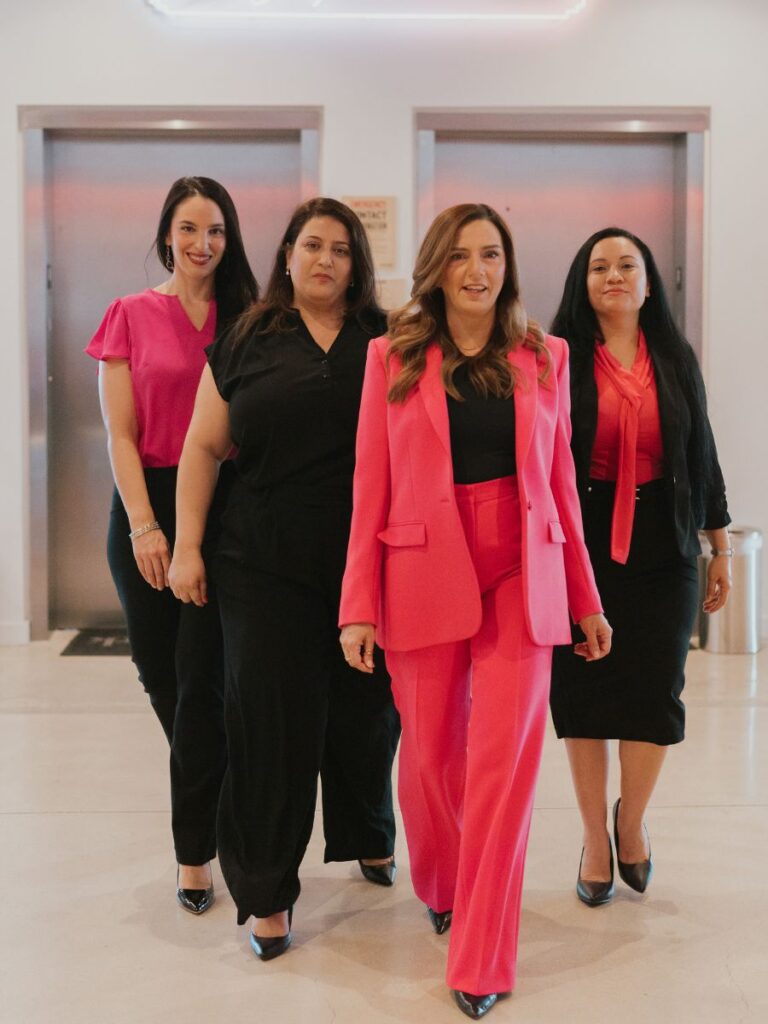
About the Author – How to Recover from an Affair if Couples Therapy Didn’t Work?
Idit Sharoni, LMFT, and her team are internationally recognized relationship experts dedicated to helping couples heal after infidelity. For years, they have supported couples across the United States, Canada, the UK, Australia, Dubai, and beyond.
What Therapy Works After Infidelity – A Structured, Proven Approach to Affair Recovery
What makes their work different is a unique, structured approach designed specifically for the aftermath of an affair. Unlike traditional therapy that often drifts into venting sessions or leaves couples feeling stuck, their program offers a clear roadmap. At every stage, you’ll know where you are in the process and what comes next.
Idit and her team believe in relational solutions to relational problems. That’s why they work only with couples together, never separately. They know that healing from infidelity requires both partners, side by side, taking part in the process.
Over the years, couples who had almost given up hope, many of whom tried therapy, coaching, or self-help without success, have found new connection and trust through this program. With compassion, professionalism, and an unwavering belief that good marriages can recover from even the deepest wounds, Idit Sharoni and her team have become a trusted guide for couples around the world.


Comments +